
In modern warehousing, manufacturing, and distribution centers, space is one of the most expensive commodities. While managers meticulously optimize pallet racking systems and forklift routes, a silent profit killer often lurks in the corner: loose packaging waste. Uncompacted cardboard boxes, expansive plastic stretch film, and bulky expanded polystyrene (EPS) packaging occupy valuable square footage and inflate operational expenses.
Implementing industrial waste processing machinery—such as vertical balers, channel presses, or EPS compactors—is no longer just an environmental compliance measure. It is a strategic financial decision that directly optimizes facility logistics and slashes supply chain costs.
The 90% Rule: Volume vs. Weight in Freight Logistics
In logistics, freight costs are heavily dictated by volume rather than raw weight. Waste management companies charge commercial facilities based on the number of container pickups or the volume of the dumpsters emptied. When a truck hauls away uncompacted cardboard, it is essentially transporting expensive pockets of air.
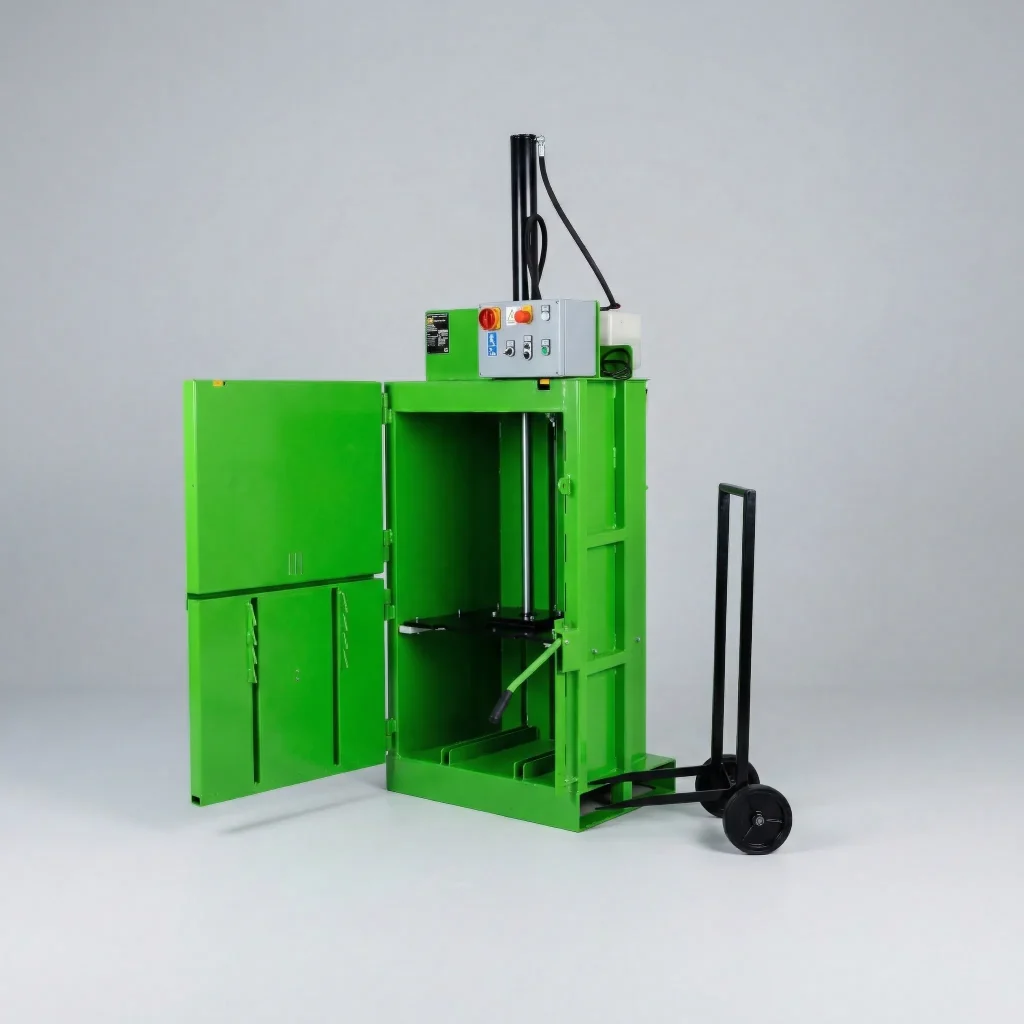
Industrial machinery alters this financial equation by compressing loose materials into high-density blocks or bales, achieving a volume reduction of up to 90%. For instance, equipment like the Bartontech 50 Plus or 400 Plus transforms loose, chaotic piles of waste into uniform, stackable units.
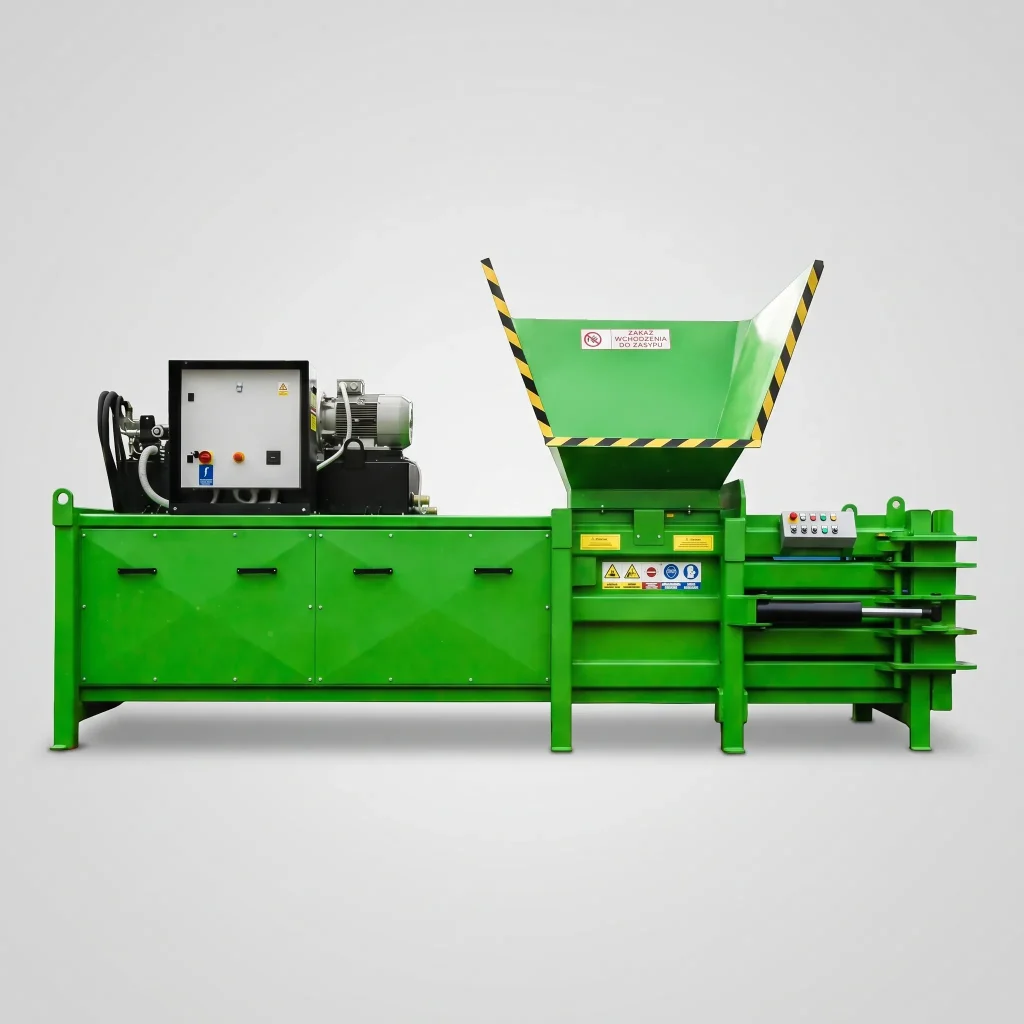
The financial impact of this transformation can be measured using a straightforward logistical formula:
Logistics Savings = (U - B) * C
Where:
U= Number of monthly waste pickups required for uncompacted loose material.B= Number of monthly waste pickups required after compacting materials into high-density bales.C= Standard cost per haulage pickup (including fuel surcharges and environmental fees).
By reducing the frequency of waste collection from several times a week to once or twice a month, businesses can instantly cut their external haulage invoices by 70% to 80%.
Reclaiming Expensive Warehouse Square Footage
Loose waste takes up significant physical space on the facility floor. In a high-throughput warehouse, every square meter dedicated to storing empty cardboard boxes or overflowing EPS scrap is a square meter taken away from revenue-generating inventory.
Consider a facility where loose recyclables occupy an area of 40 square meters. By installing a compact vertical press or an EPS compactor (like the Bartontech Compactor EPS C50), that footprint can be reduced to less than 5 square meters. The remaining 35 square meters can be reallocated to additional pallet positions or production lines.
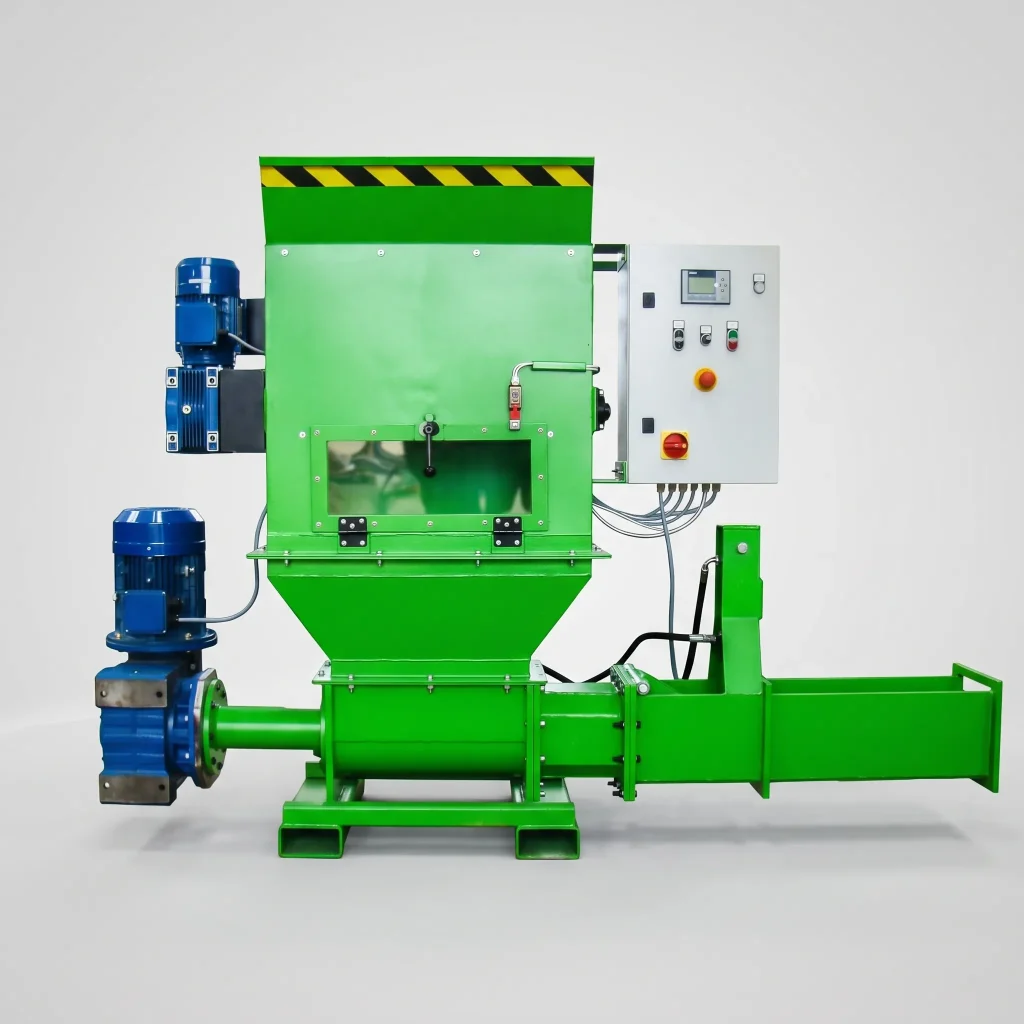
With commercial warehouse rental rates steadily climbing, reclaiming floor space contributes heavily to a faster Return on Investment (ROI) for the machinery.
Eliminating Internal Labor Inefficiencies
The financial drain of uncompacted waste is not limited to external logistics; it also impacts internal labor costs. In a traditional setup, warehouse staff spend hours flattening boxes manually, walking back and forth to outdoor skips, or dealing with overflowing bins that disrupt internal traffic.
Integrating a baler directly at the source of the waste generation streamlines the workflow. Workers drop packaging material straight into the machine’s hopper. Automated cycles, controlled by intelligent photocell sensors, compress the material without requiring constant human supervision. This eliminates downtime, reduces internal forklift movements, and allows warehouse personnel to focus on core tasks like picking, packing, and shipping.
Turning a Cost Center into a Revenue Stream
Perhaps the most compelling economic shift is the monetization of the waste itself. Waste management companies do not pay for loose, mixed packaging because it requires too much labor to transport and sort.
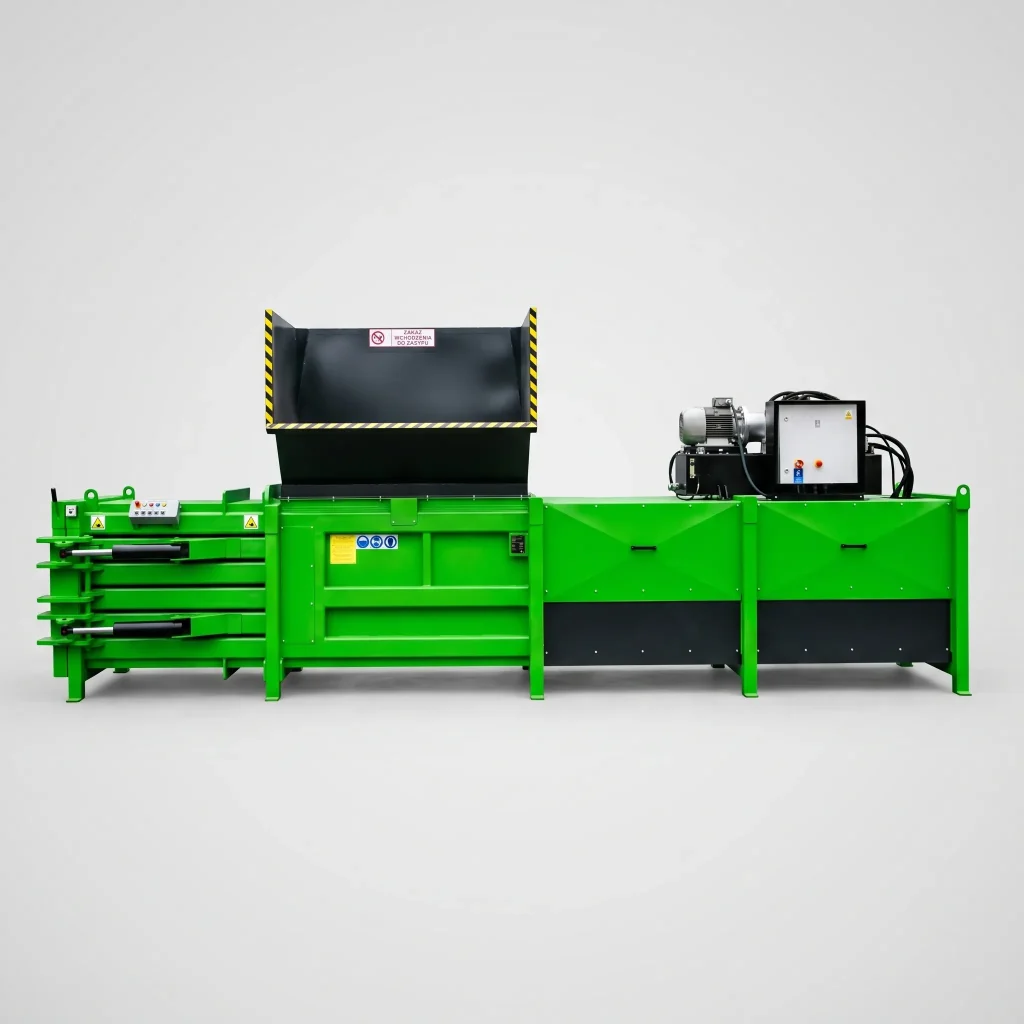
However, high-density mill-size bales (weighing 300 to 500 kg, produced by heavy-duty machines like the Bartontech 800 Plus) are highly sought after by recycling mills. By compacting waste into homogenous, transport-ready commodities, facilities transition from paying for waste disposal to selling industrial raw materials, effectively turning a logistical cost center into a steady revenue stream.