
For decades, the global supply chain operated on a strict, linear model: “take, make, dispose.” Materials were extracted, manufactured into packaging, used once, and permanently discarded into landfills. However, with tightening environmental regulations and growing corporate responsibility, businesses are now rapidly transitioning towards a Circular Economy.
In a circular system, waste is not an endpoint; it is the beginning of a new manufacturing cycle. But bridging the gap between loose commercial waste and a viable recycling stream requires heavy-duty intervention. This is exactly where industrial balers and compactors become indispensable.
From Waste to Resource: The Compaction Transformation
Recycling facilities and paper mills require raw materials delivered in a highly specific format. Loose cardboard boxes, uncrushed aluminum cans, and sprawling plastic films are logistically impossible to transport efficiently and are often rejected by buyers.
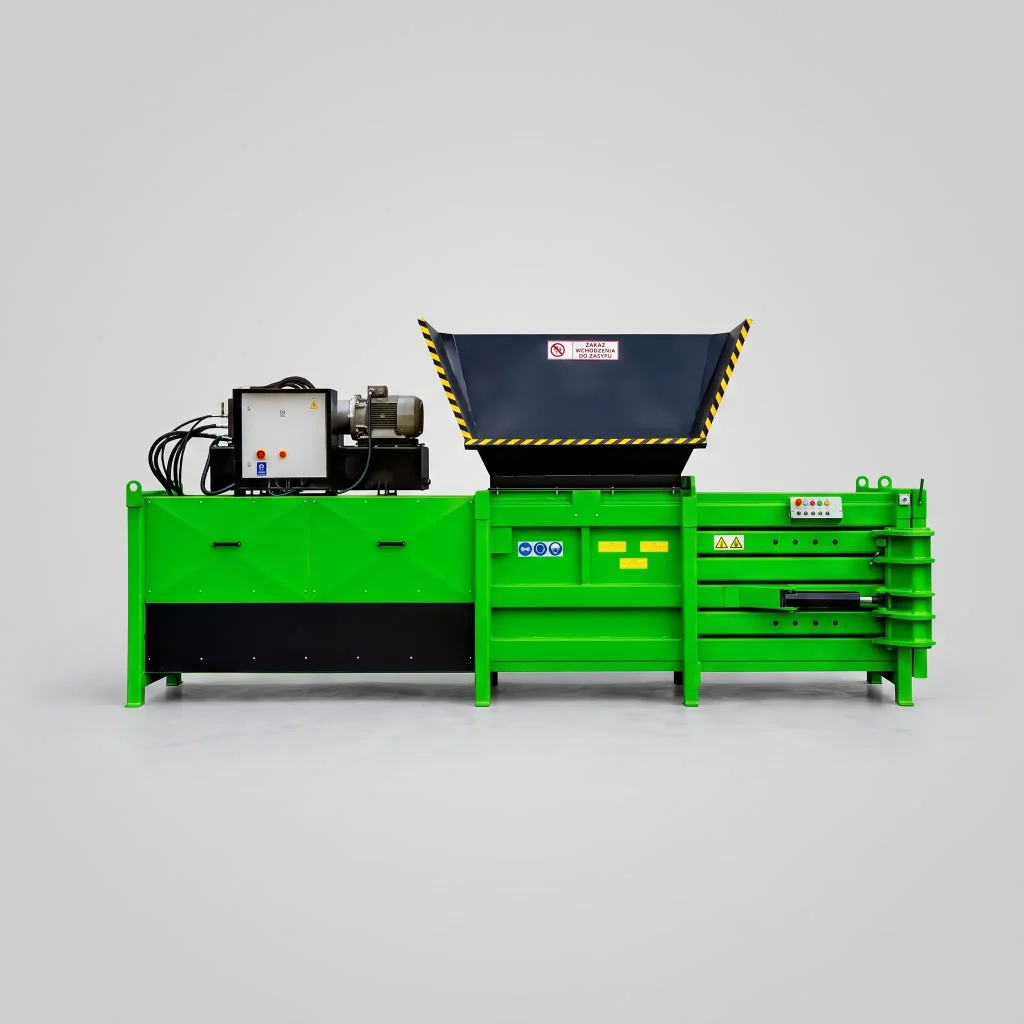
Industrial machinery acts as the critical processing link. By using horizontal channel presses like the Bartontech 600 Plus, companies can compress chaotic, mixed packaging into dense, uniform, mill-size bales. These bales meet the strict dimensional and weight criteria required by recycling plants. Instead of paying waste management companies to remove trash, businesses transform their waste into a standardized, sellable commodity that feeds directly back into global manufacturing.
Tackling the EPS (Styrofoam) Challenge
One of the most problematic materials in modern logistics is Expanded Polystyrene (EPS). Because EPS is composed of up to 98% air, it occupies massive amounts of warehouse space and is extremely expensive to transport in its loose form. Due to these high logistical costs, many companies mistakenly treat EPS as non-recyclable.
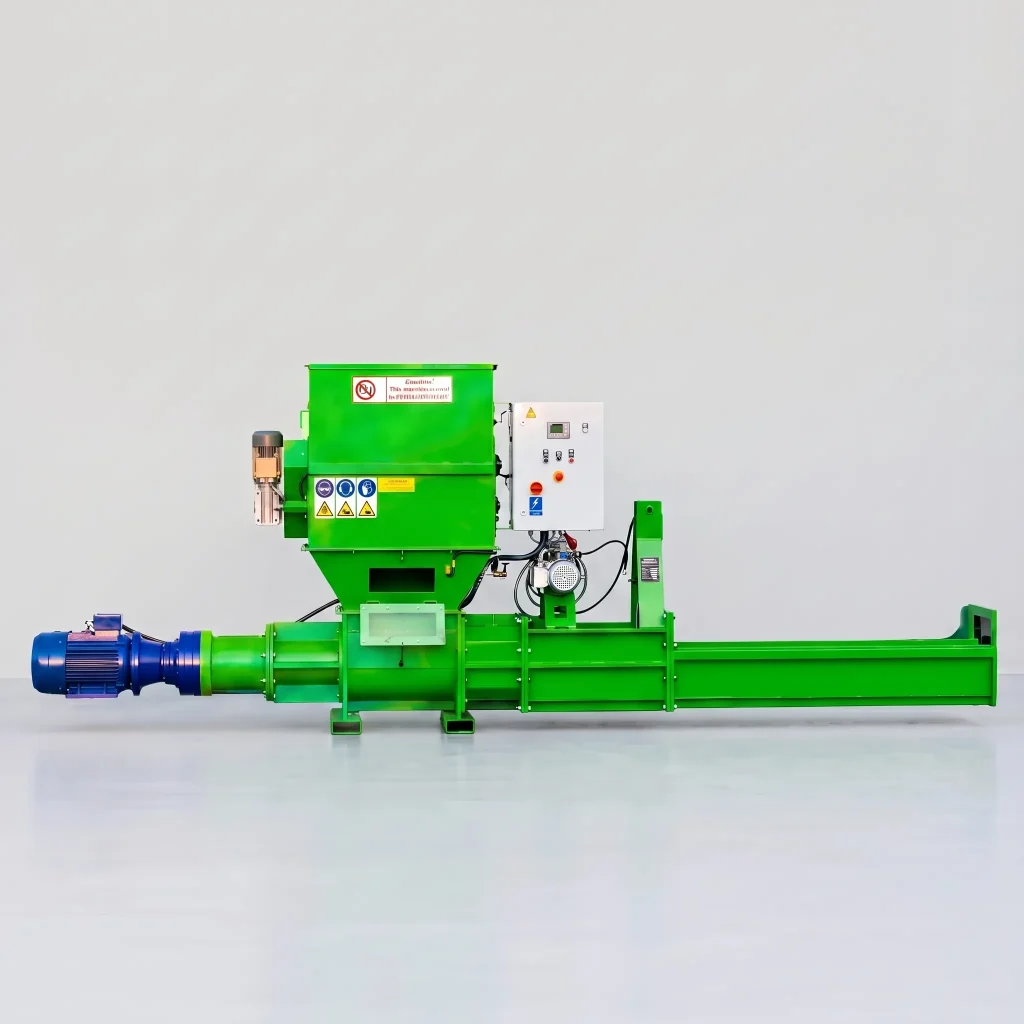
EPS compactors entirely change this narrative. Machinery such as the Bartontech Compactor EPS C200 applies immense mechanical pressure to squeeze the air out of the material, reducing its volume at a ratio of up to 50:1. The resulting dense EPS blocks are highly sought after by plastics recyclers, who melt them down to create new products like picture frames, insulation boards, and park benches.
Meeting ESG Targets and Corporate Sustainability Goals
Today, a company’s environmental impact is heavily scrutinized by investors, partners, and consumers. Environmental, Social, and Governance (ESG) criteria are no longer optional buzzwords; they are integrated into core business strategies.
Implementing professional waste sorting and baling equipment directly supports these sustainability goals by:
- Drastically reducing carbon footprint: High-density bales mean fewer transport trucks on the road, directly cutting greenhouse gas emissions.
- Achieving Zero-Waste-to-Landfill: By baling materials for direct sale to recyclers, companies ensure their packaging does not end up in municipal dumps.
- Promoting resource efficiency: Properly sorted and compacted recyclables yield higher quality raw materials for the next production cycle.
Conclusion
The transition to a circular economy cannot be achieved through goodwill alone; it requires the right infrastructure. By investing in robust vertical balers, horizontal presses, and EPS compactors, modern facilities not only optimize their internal logistics but actively participate in building a sustainable, waste-free future.