
Hydraulic systems are the beating heart of any industrial baler. Whether you are operating a compact vertical press for cardboard or a heavy-duty horizontal channel baler for continuous waste processing, the machine’s ability to crush materials relies entirely on the integrity of its hydraulic cylinders.
When a cylinder fails, the entire waste management operation grinds to a halt. Replacing or rebuilding these heavy components is not only expensive but results in severe operational downtime. By understanding the mechanics of your baler and implementing a strict maintenance routine, you can significantly extend the lifespan of your hydraulic components.
Understanding Cylinder Stress and Specifications
In waste compaction, hydraulic cylinders operate under extreme stress. They must repeatedly extend and retract while pushing against highly resistant materials like expanding PET plastics or dense cardboard.
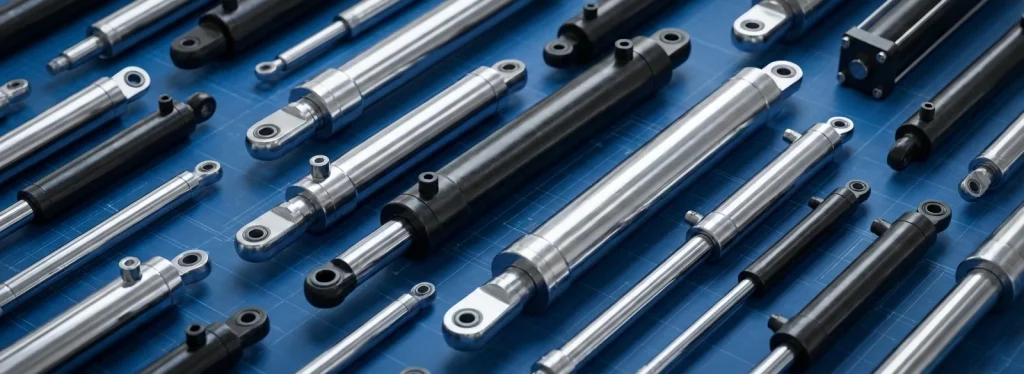
When evaluating a cylinder’s durability and pressure rating, it is crucial to focus heavily on the piston rod diameter rather than just the overall external dimensions of the housing. The piston rod diameter directly dictates the cylinder’s column strength. A properly sized, robust piston rod ensures the cylinder can withstand immense buckling forces during peak compaction cycles without bending, scoring, or compromising the internal seals.
The Three Pillars of Hydraulic Maintenance
To keep your baler’s cylinders operating smoothly for years, focus on these three critical maintenance areas:
1. Oil Filtration and Fluid Purity
Contamination is the number one enemy of hydraulic systems. Even microscopic particles of dirt, metal shavings, or degraded seals suspended in the hydraulic fluid can act like liquid sandpaper. Over time, these particles score the inner walls of the cylinder and the surface of the piston rod, leading to internal bypassing and external leaks.
- Actionable Tip: Implement strict oil filtration protocols. Regularly analyze your hydraulic oil for particulate and water contamination. Change the fluid and replace high-efficiency return-line filters strictly according to the manufacturer’s schedule.
2. Protecting the Piston Rod Surface
The exposed portion of the piston rod is highly vulnerable to the external warehouse environment. Dust, abrasive debris, and corrosive liquids (like soda from crushed aluminum cans) can settle on the rod. As the cylinder retracts, this debris can be dragged past the wiper seals and into the main pressure seals.
- Actionable Tip: Keep the machine clean. Ensure that the wiper seals (scraper rings) at the end of the cylinder barrel are in perfect condition. If a wiper seal hardens or cracks, it must be replaced immediately before abrasive debris destroys the primary seals.
3. Monitoring Valves and Pressure Settings
The health of a cylinder is heavily dependent on the components controlling the fluid flow. CETOP directional control valves and electromagnetic coils dictate the precise movement and pressure applied to the cylinder. If a relief valve is incorrectly set or malfunctions, the cylinder may be subjected to pressure spikes far beyond its rated capacity.
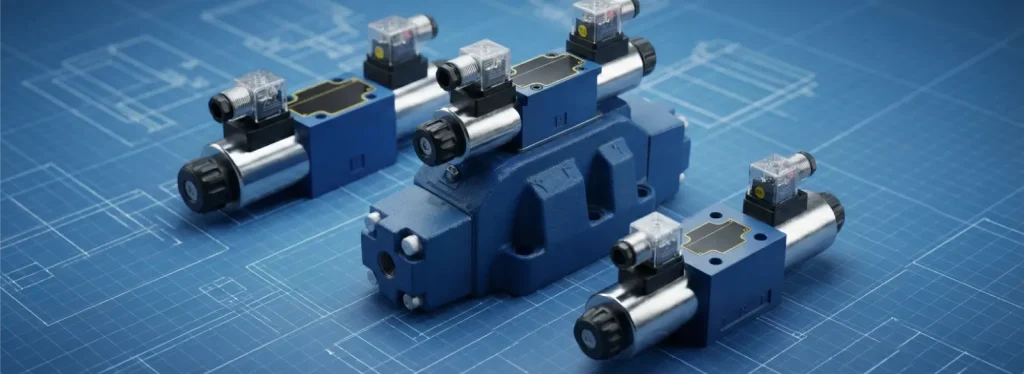
- Actionable Tip: Regularly inspect and calibrate your CETOP valves and hydraulic power unit (HPU). Listen for unusual whining or knocking sounds, which can indicate cavitation or valve sticking, both of which send damaging shockwaves through the hydraulic cylinder.
Conclusion
Industrial balers are significant investments, and their hydraulic cylinders are among their most critical and expensive components. By prioritizing clean oil filtration systems, monitoring the condition of the piston rods, and ensuring that control valves are functioning correctly, facility managers can prevent catastrophic failures. Proactive maintenance transforms hydraulic care from an unexpected repair expense into a predictable, manageable process.