

An industrial baler is the beating heart of a facility’s waste management operation. When this workhorse is running smoothly, packaging waste is efficiently transformed into revenue-generating bales. However, when a baler breaks down due to neglect, it triggers a catastrophic bottleneck. Corrugated cardboard and plastic film rapidly pile up on the warehouse floor, creating safety hazards and obstructing order fulfillment routes.
The most effective way to ensure continuous operation is to transition from a reactive repair strategy to a proactive preventative maintenance (PM) schedule. A well-maintained baler from Bartontech will easily deliver a decade or more of reliable service. Here is a comprehensive guide to building a preventative maintenance routine that protects your investment.
The True Cost of Reactive Maintenance
Many facility managers operate under the “if it isn’t broken, don’t fix it” mentality. In industrial machinery, this approach is a costly mistake.
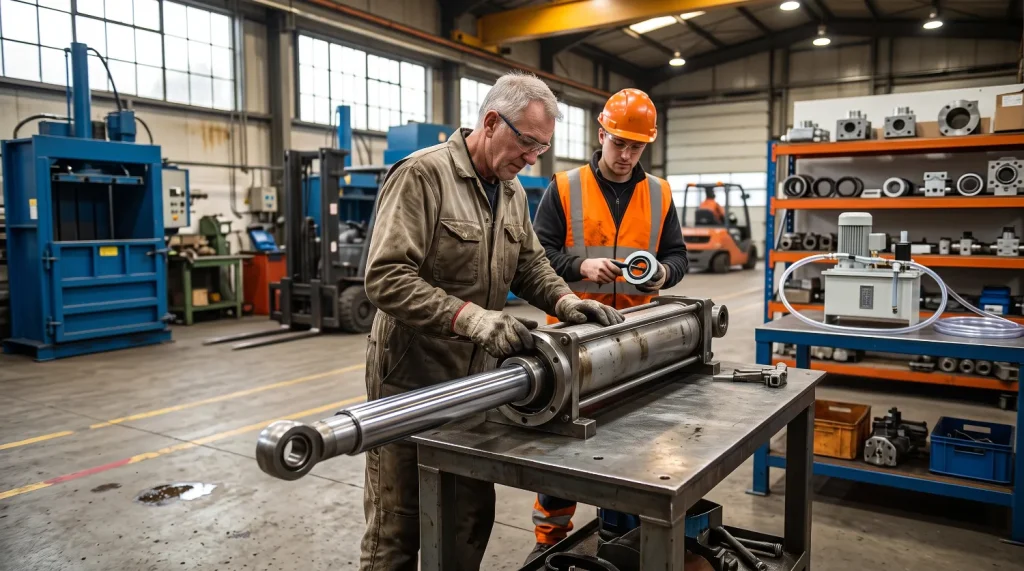
Running a hydraulic baler until a component fails usually results in secondary damage. For example, ignoring a minor hydraulic fluid leak can eventually cause the pump to run dry, transforming a cheap hose replacement into a complete motor overhaul. When you factor in emergency technician call-out fees, expedited shipping for replacement parts, and the operational cost of halted warehouse logistics, a single unexpected breakdown can cost thousands of euros. Preventative maintenance is an investment in uptime.
The Essential Maintenance Checklist
An effective PM program is divided into three tiers: daily operator checks, monthly in-house maintenance, and annual professional servicing.
1. Daily Operator Checks (Visual & Functional)
Your baler operators are your first line of defense. Before beginning their shift, operators should perform a 3-minute visual inspection:
- Safety Systems: Test the emergency stop (E-stop) buttons and ensure the safety gate interlocks are functioning correctly. The machine must halt immediately when the gate is opened.
- Visual Inspection: Look for any obvious signs of hydraulic fluid pooling under the machine or on the cylinder.
- Housekeeping: Clear out any debris, dust, or material scraps that have accumulated around the electrical panels, photo-eyes (sensors), or behind the compaction ram. Build-up in these areas is a primary cause of sensor faults and fire hazards.
2. Monthly In-House Maintenance
Your internal maintenance team or facility engineer should conduct a more thorough inspection every month:
- Lubrication: Grease all door hinges, locking wheels, and turnbuckles. Proper lubrication prevents metal-on-metal wear and ensures operators can open and close the heavy chamber doors smoothly.
- Hydraulic Hoses: Inspect all hoses and fittings for abrasions, cracks, or weeping fluid. Hoses degrade over time due to constant pressure fluctuations and should be replaced at the first sign of structural weakness.
- Oil Levels: Check the hydraulic oil reservoir sight glass. The oil should be clear (not milky, which indicates water contamination) and filled to the manufacturer’s specified level.
3. Annual Professional Servicing
At least once a year, your baler requires a comprehensive service from certified technicians, such as the Bartontech service team. This annual overhaul is equivalent to a full MOT for a vehicle:
- Hydraulic Fluid & Filter Change: Hydraulic oil degrades and loses its viscosity over time. It must be drained, the system flushed, and fresh oil and filters installed.
- Pressure Calibration: Technicians will attach gauges to the hydraulic block to ensure the system is operating at the correct PSI/Bar. A drop in pressure means lighter bales and lost revenue, while over-pressurization can blow out seals.
- Structural and Electrical Audit: A full inspection of the steel frame for micro-fractures, tightening of all electrical relay connections, and a diagnostic check of the PLC (Programmable Logic Controller) software.
Conclusion
Industrial balers are subjected to immense mechanical stress on a daily basis. You cannot control the volume of waste your facility generates, but you can control how your machinery responds to it. By implementing a strict preventative maintenance schedule, you eliminate unexpected downtime, ensure a safe working environment for your staff, and drastically extend the operational lifespan of your Bartontech equipment.