

In the world of industrial waste management, corrugated cardboard (OCC) is considered straightforward. It folds predictably and holds its compacted shape. However, when material recovery facilities (MRFs), bottling plants, or large hospitality venues attempt to compact high volumes of Polyethylene Terephthalate (PET) bottles and aluminum cans, they immediately run into severe mechanical challenges.
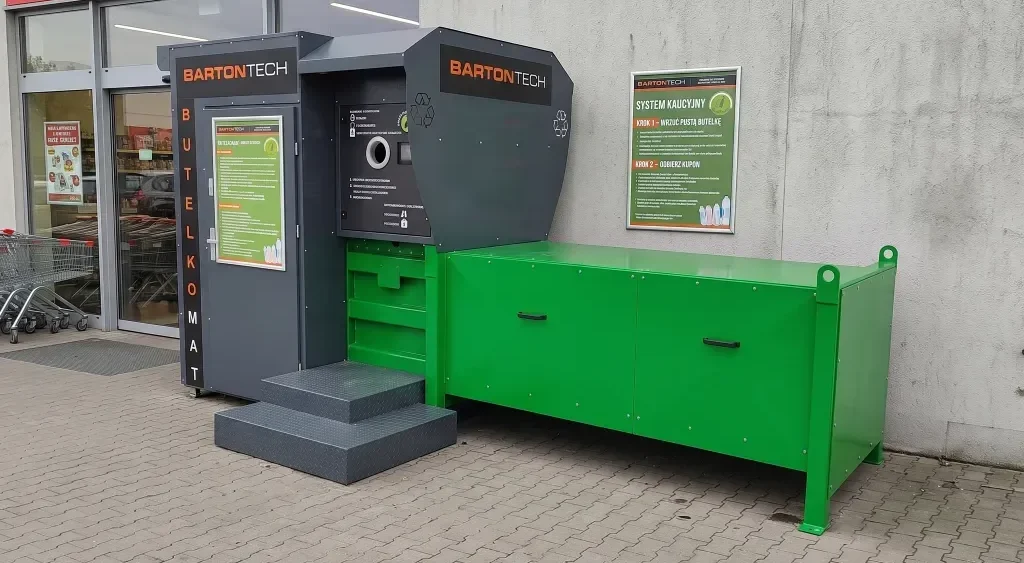
Beverage containers are engineered to be resilient. Processing them requires much more than brute hydraulic force. If you are upgrading your facility’s recycling infrastructure to handle plastics and metals, here is why standard baling procedures fail and the specialized technology you need to succeed.
The Three Major Challenges of Beverage Container Recycling
Attempting to process PET and aluminum in a standard warehouse baler will quickly lead to machine damage, safety hazards, and rejected bales. Operators must overcome three specific hurdles:
1. The “Memory Effect” of PET Plastics
PET plastic has an incredibly high elastic memory. When you compress a pile of plastic bottles, they constantly fight to return to their original shape. In a standard baler, the moment the hydraulic ram retracts, the compressed plastic springs back up. If forced into a bale, this expansion exerts immense stress on the baling wire, often causing standard twine or light-gauge wire to snap violently, turning a tightly packed bale into a warehouse hazard.
2. The Pressurized Air Trap
A capped PET bottle is essentially a small pneumatic cylinder. The trapped air inside the bottle resists the downward force of the compaction ram. If a machine manages to crush thousands of capped bottles simultaneously, the sudden release of pressure can cause structural damage to the baler’s chamber doors or hinges.
3. Residual Liquids and Corrosion
Empty beverage containers are rarely completely empty. Crushing thousands of cans and bottles releases gallons of residual water, sugary soda, and acidic juices. If compacted in a standard machine, this liquid floods the warehouse floor, creates severe slip hazards, attracts pests, and rapidly corrodes the baler’s paint and internal hydraulic components.
The Technological Solutions: Specialized Baling Equipment
To turn problematic bottles and cans into dense, profitable, mill-ready bales, Bartontech recommends machinery equipped with the following specialized features:
Integrated Perforators
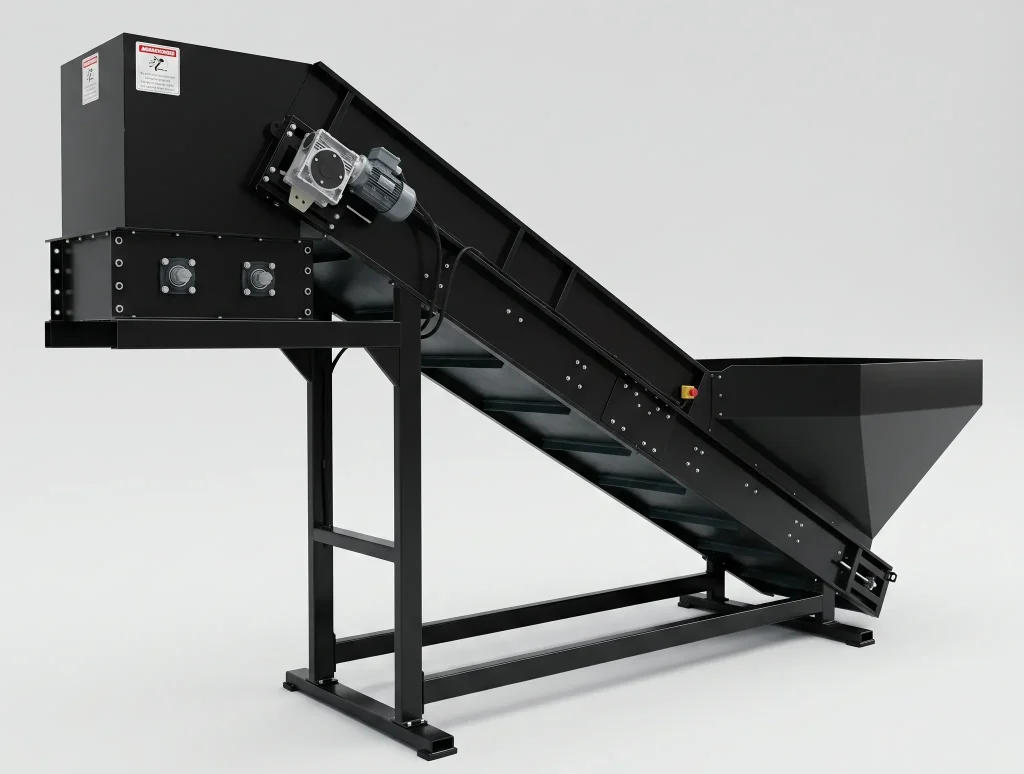
The most critical addition to any PET baling operation is a perforator. Positioned on the conveyor belt feeding the baler, the perforator uses rotating spiked shafts to puncture every single bottle and can before it enters the compaction chamber. This instantly solves the trapped air problem and destroys the structural integrity of the container, effectively neutralizing the PET memory effect.
Retaining Dogs (Claws)
For facilities using vertical balers, the compaction chamber must be equipped with specialized “retaining dogs.” These are heavy-duty metal claws or flaps built into the walls of the chamber. When the ram presses the material down, the dogs allow the plastic to pass. When the ram retracts, the dogs bite into the material, physically preventing the PET from springing back up.
Liquid Extraction and Drainage Systems
Balers designed for the beverage industry, often referred to as dewatering balers or liquid extraction presses, feature specialized floor pans, splash guards, and drainage ports. As the ram crushes the containers, all residual liquids are safely channeled away from the electrical components and directly into your facility’s wastewater drainage system. Furthermore, these machines are often built with stainless steel components or treated with marine-grade anti-corrosive coatings to withstand acidic beverage residue.
Conclusion
Baling PET bottles and aluminum cans is a high-value recycling operation, but it requires the right technological approach. Utilizing a standard cardboard baler for high-volume plastics will result in broken wires, explosive decompression, and rapid machine degradation. By investing in specialized compaction equipment featuring perforators, retaining dogs, and liquid extraction systems, your facility can safely and profitably process even the most resilient beverage containers.